German Names
Explore Traditional and Modern German Names & History
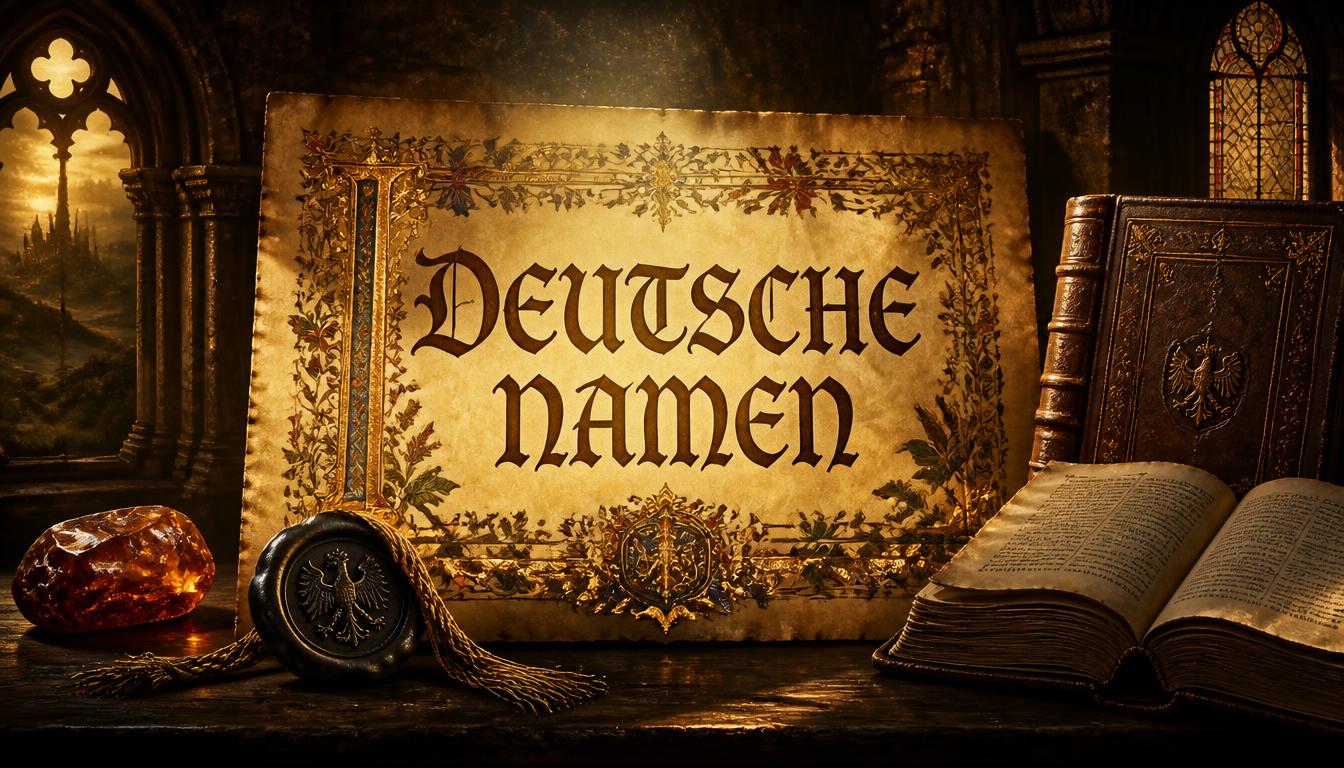
German Names: From Ancient Tribes to Modern Times
1. The Germanic Roots — Warriors and Their Names (6th–11th centuries)
German belongs to the Germanic branch of the Indo-European language family, sharing distant ancestry with English, Dutch, Sanskrit and Latin. Around the 6th century AD, the German-speaking regions began developing their own distinct identity through a linguistic phenomenon known as the High German Consonant Shift — a gradual transformation in pronunciation that separated these dialects from their western Germanic cousins.
Because early Germanic tribes had a strong oral tradition, the oldest recorded names did not come from local documents but from Roman historians such as Tacitus and Julius Caesar, who wrote about the peoples living beyond the empire's borders. One of the earliest formally recorded Germanic leaders was Arminius — known in German as Hermann — whose name meant "army man" or "warrior." He led the famous Battle of the Teutoburg Forest in 9 AD, decisively defeating three Roman legions.
Early Germanic names were not mere labels. They were declarations of identity, protection and destiny. Most followed a two-part structure combining meaningful roots:
- Fried (peace) + Rich (powerful) = Friedrich
- Wil (will/desire) + Helm (helmet/protection) = Wilhelm
- Sig (victory) + Guard (protector) = Sigurd
- Ger (spear) + Trud (strength) = Gertrud
Words like Wolf (wolf), Bero (bear), Wald (forest) and Sieg (victory) appeared repeatedly — reflecting a culture where a name carried the weight of a life's purpose.
2. Christianity and the Medieval Era (12th–16th centuries)
The arrival of Christianity transformed the naming landscape of Central Europe dramatically. Pagan warrior names associated with gods such as Wotan and Thor were discouraged by the Church, replaced by names drawn from the Christian calendar — Hebrew, Greek and Latin names adapted into German forms.
The familiar classics emerged during this period: Johannes became Johann or Hans; Maria became Marie; Jacob became Jakob. Yet the German people did not entirely abandon their heritage — they began blending the names of saints with ancient Germanic elements, creating a distinctive fusion of Christian faith and warrior ancestry that remains visible in German names to this day.
Germans also developed a rich tradition of affectionate short forms and diminutives during this era: Hans from Johannes, Lotte from Charlotte, Fritz from Friedrich, Grete from Margarethe. These nicknames were so deeply embedded in daily life that many eventually broke free from their origins and became fully independent names in their own right — a uniquely German contribution to the history of naming.
3. The Rise of Surnames (14th century onward)
As villages grew into medieval towns and record-keeping became essential for taxes and land ownership, a single first name was no longer sufficient. German surnames developed across four fascinating categories:
- Occupations: Bäcker (baker), Schmidt (blacksmith), Fischer (fisherman), Müller (miller)
- Physical characteristics: Lang (tall), Schwarz (dark-haired), Klein (small), Braun (brown-haired)
- Geography: Wald (forest-dweller), Berg (mountain), Bach (stream), Stein (stone)
- Patronymics: Names indicating parentage, such as Peters or Hansen
It is worth noting that Schmidt and Müller remain among the most common German surnames today — a direct echo of the medieval trades that defined entire family lines for generations.
4. Regional Voices — Bavaria, Austria and Switzerland
It is important to remember that "German" naming culture was never a single unified tradition. The German-speaking world encompasses distinct regional identities — Bavaria, Austria, Switzerland, the Rhineland, Prussia — each with its own naming preferences, pronunciations and traditions.
Bavarian and Austrian names often carry a softer, more Catholic flavour, with strong devotion to saints such as Josef, Franz and Theresia. Swiss German naming traditions reflect the country's multilingual identity, blending German, French and Italian influences depending on the region. Prussian names historically carried a more austere, military quality — names like Otto, Ernst and Heinrich dominated the northern nobility for centuries.
This regional richness is part of what makes German names so layered and so rewarding to explore.
5. A Heritage Often Overlooked — Ashkenazi Jewish Names
For centuries, Ashkenazi Jewish communities lived and flourished within German-speaking lands, developing naming traditions that wove together Hebrew spiritual heritage with Germanic linguistic patterns. Names like Leib (from the German Löwe, lion — itself a translation of the Hebrew Aryeh), Feige (fig), and Golde (gold) reflect this remarkable bilingual creativity.
Many common Jewish surnames — Goldberg, Steinberg, Rosenberg — were assigned or adopted during the 18th and 19th centuries when German authorities required Jewish families to register family names, often drawing on nature, geography and precious materials. This chapter of German naming history deserves recognition as an integral part of the broader story.
6. The Modern Era (19th–21st centuries)
German unification in the 19th century brought romantic literary influences and a passionate revival of ancient Germanic myths and Norse sagas. Classical medieval names returned to fashion alongside new international influences. Poets and composers of the Romantic era — Goethe, Schiller, Wagner — inspired a generation of parents to reach back into Germanic legend for names of timeless beauty.
In the 20th century, the weight of two world wars left a complex mark on German naming culture. Strongly nationalistic names fell out of favour after 1945, replaced by a preference for simple, international and less historically burdened names. This shift is still visible today.
7. German Names Today (21st century)
Today, German naming culture reflects its layered history beautifully. Parents favour short, clean, classic names — Ben, Finn, Noah, Paul for boys; Emma, Mia, Hanna, Sophia for girls — many of them simplified forms of ancient roots given new life.
One distinctive feature of Germany's naming culture is the role of the Standesamt (civil registry office), which retains the right to reject names that obscure a child's gender or could expose them to ridicule. This legal safeguard — unusual by international standards — gives German names a timeless elegance and protects children from names chosen without consideration of their long-term impact.
Another modern trend worth noting is the use of old surnames and aristocratic family names as first names — Karl, Anton, Frieda, Lena — a poetic way of honouring family heritage while embracing a contemporary aesthetic.
Finally, in cities like Berlin, Munich and Frankfurt, vibrant multicultural communities have enriched the naming landscape further — Turkish, Arabic, Greek and Asian names now sit comfortably alongside centuries-old Germanic classics, reflecting Germany's open and cosmopolitan modern identity.
Trace Your Surname with DNA
In Chinese tradition, your surname is passed down through the paternal line — and so is your Y chromosome. FamilyTreeDNA is the only major company offering a dedicated Y-DNA test, helping you:
- 🔹 Trace your paternal ancestors and surname origins
- 🔹 Connect with genetic relatives who share your surname
- 🔹 Confirm if your surname comes from a single ancestor
- 🔹 Discover your Haplogroup — your ancient clan
Affiliate link · We may earn a small commission at no extra cost to you.
☕ Support NameOrigins
If exploring the stories and etymology of names has sparked your curiosity or helped you, consider buying a coffee to keep this independent digital sanctuary growing!
☕ Buy me a coffee →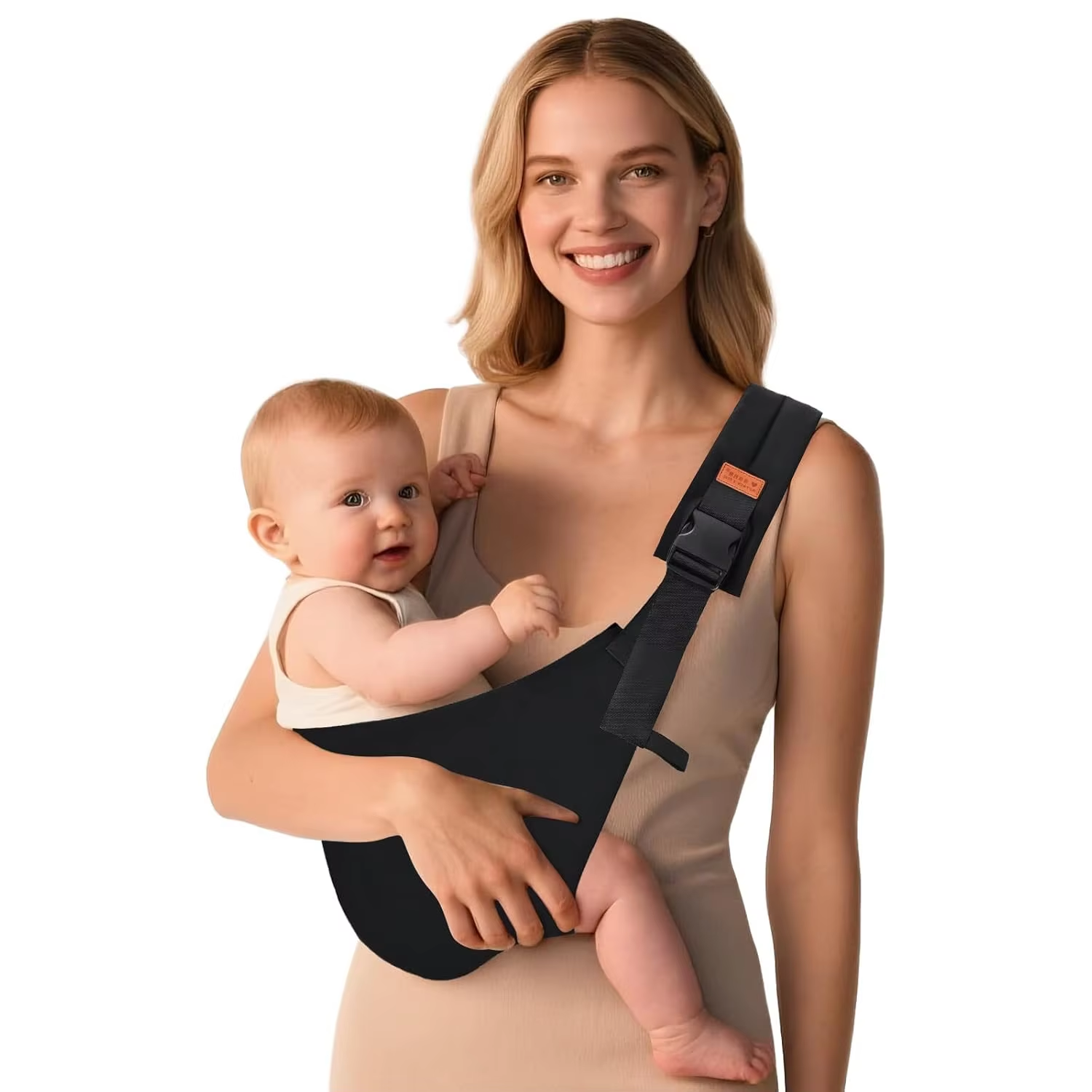
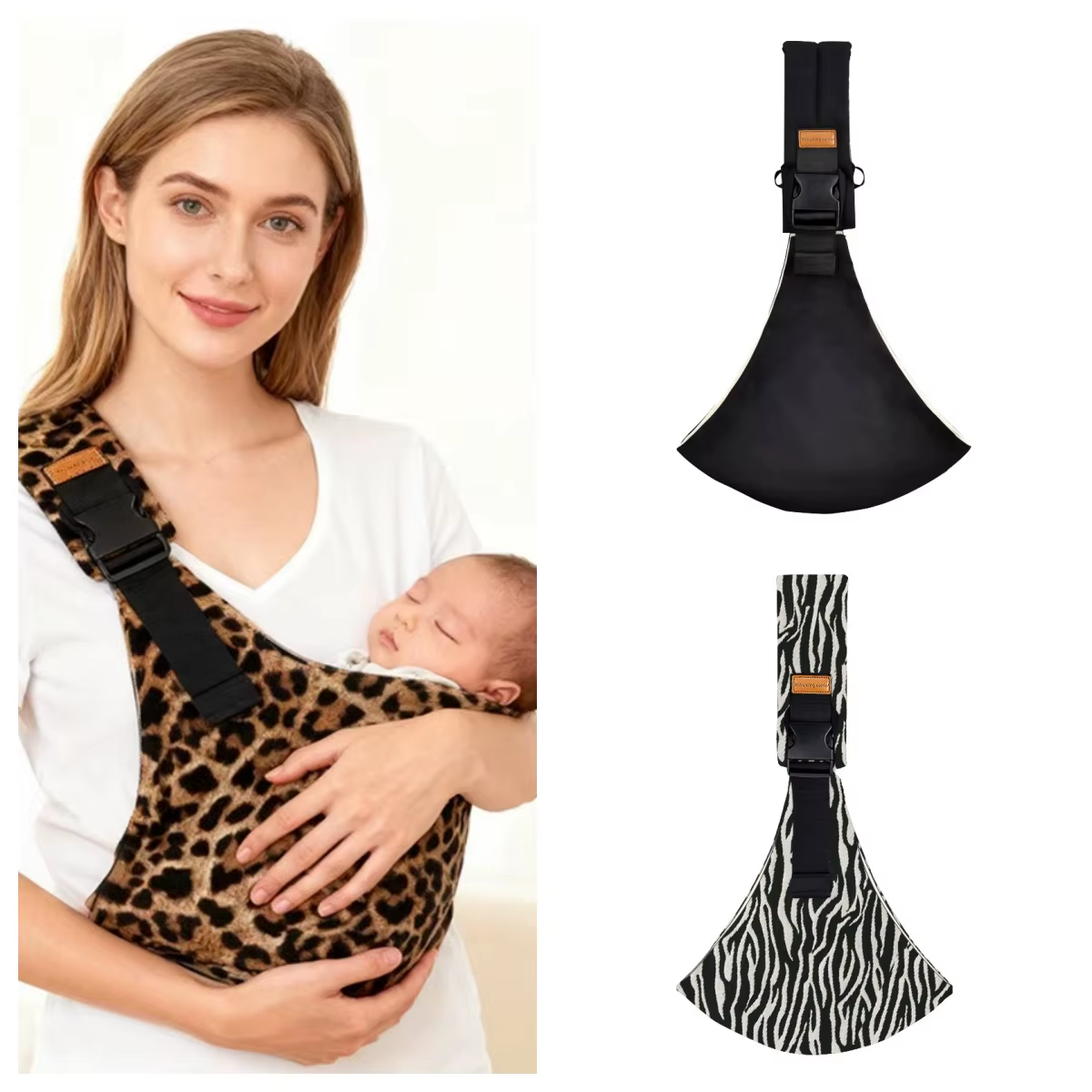
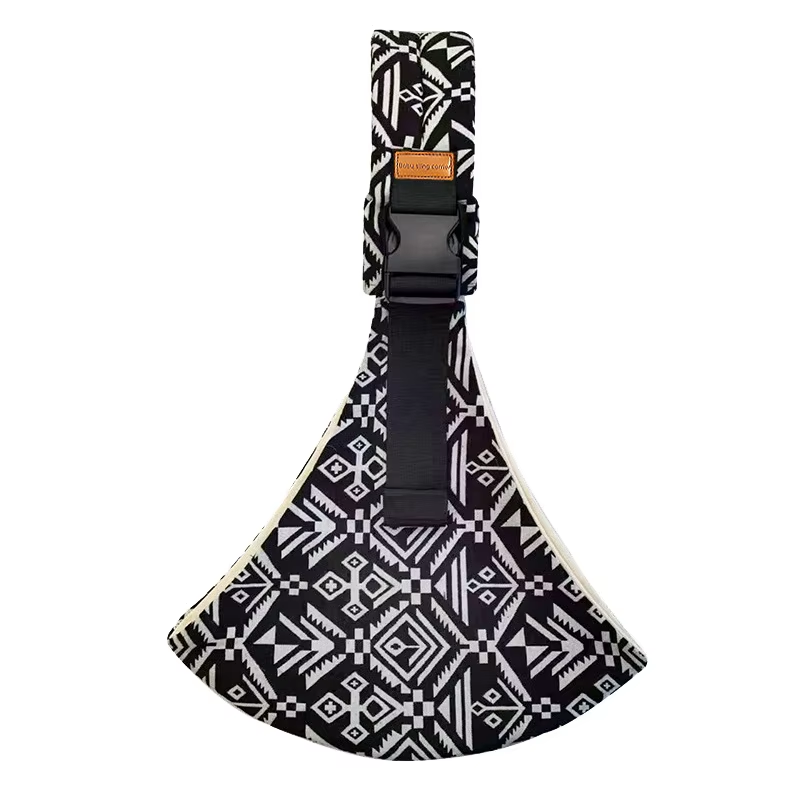
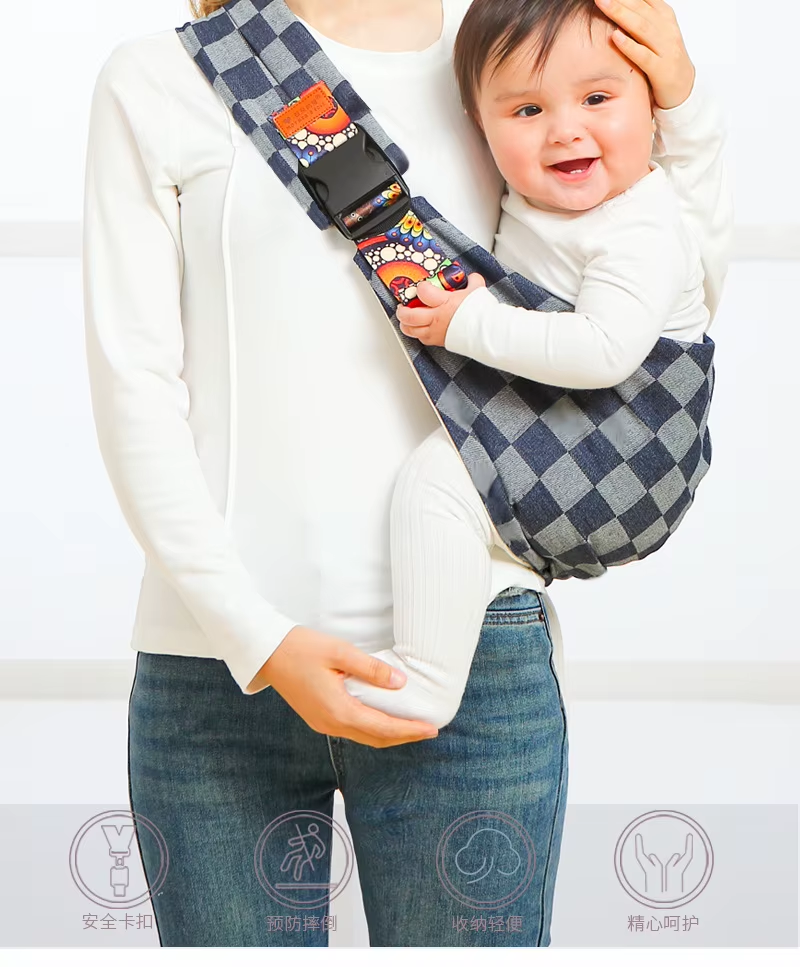
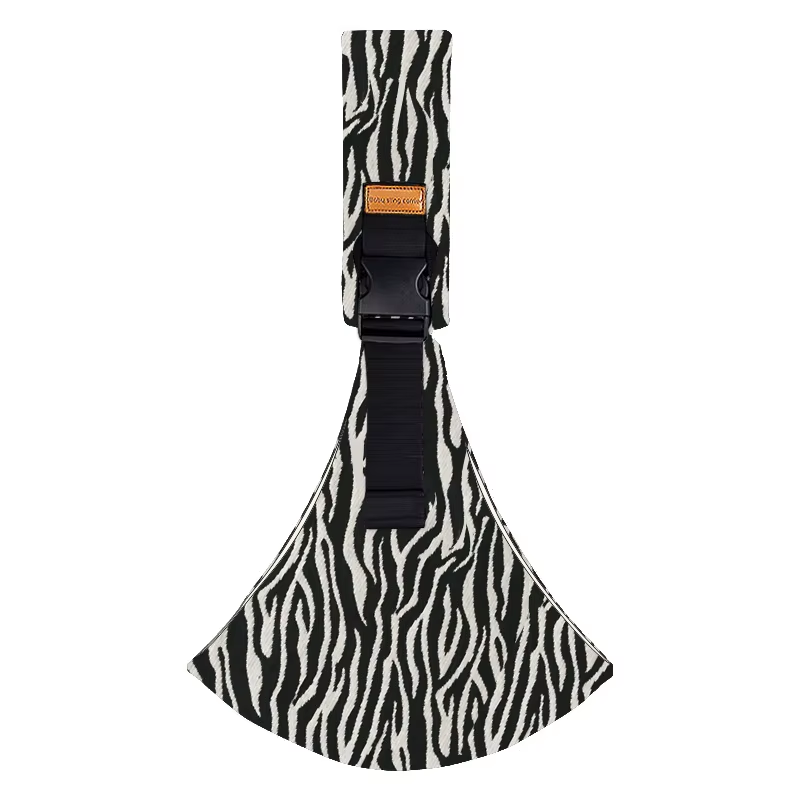
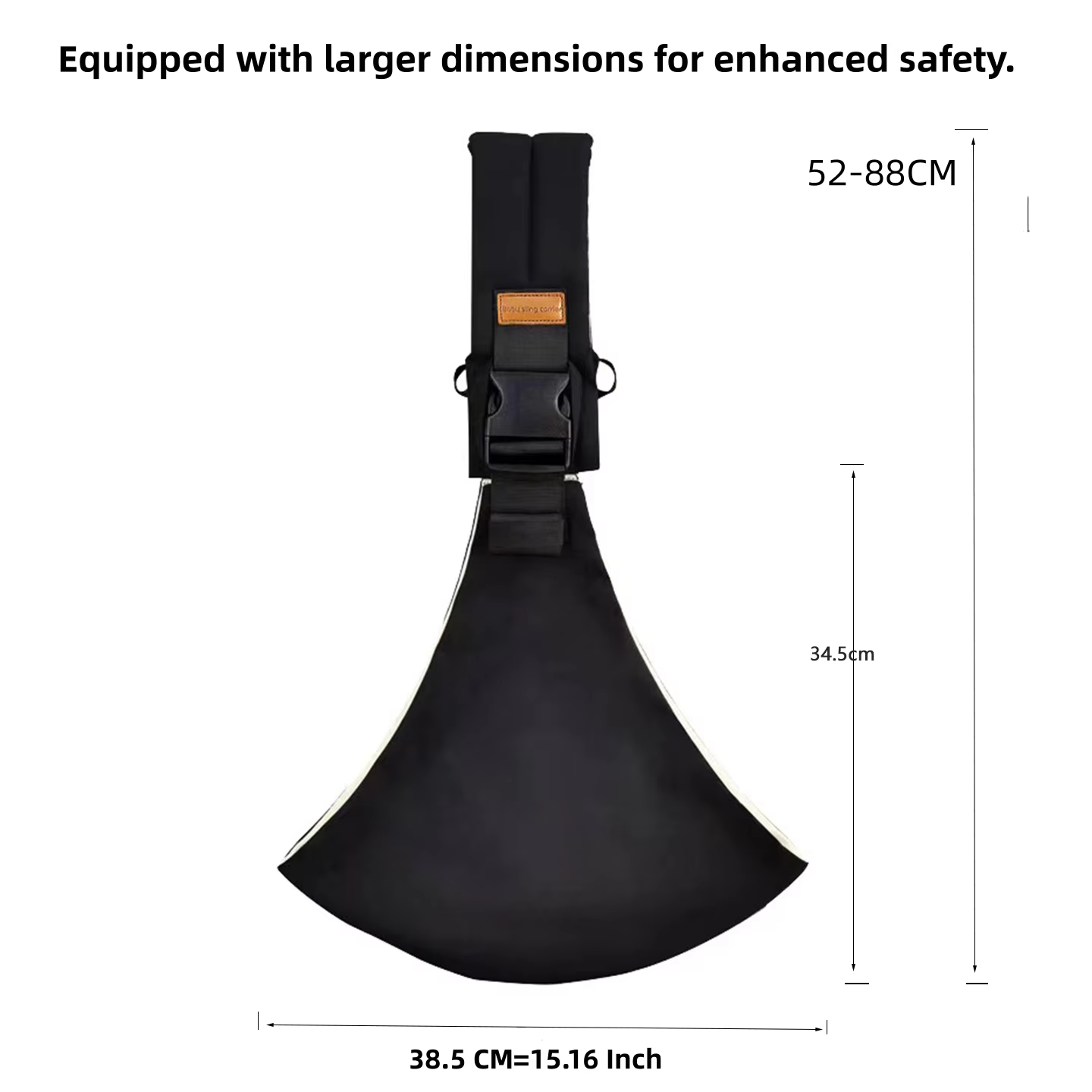
👶 Soft Anti-Slip Baby Carrier Wrap
Keep your baby close and comfortable with this soft, breathable carrier wrap. Perfect for outdoor walks, skin-to-skin contact, and everyday moments — adjustable from newborn to toddler.
Price Now: USD 13.70
🛒 Click & Buy on AliExpressAffiliate link · We may earn a small commission at no extra cost to you.
Give the Gift of Choice
Don't know what to buy? Get them a Giftcards.ca e-gift card. Over 125 top brands, delivered instantly by email!
Shop Gift Cards Now →Affiliate link · We may earn a small commission at no extra cost to you.