When a Name Was a Political Manifesto
Before birth certificates were routine and digital records existed, a royal name was something far more consequential than a label. It was a declaration of alliances, a chain of prayers, a map of obligations, and a statement of power compressed into a single breath — or in some cases, several.
No name illustrates this better than that of a Spanish princess who became Queen of Portugal, and whose full baptismal name stretches across more than two dozen individual names spanning three lines of text.
The Woman Behind the Name
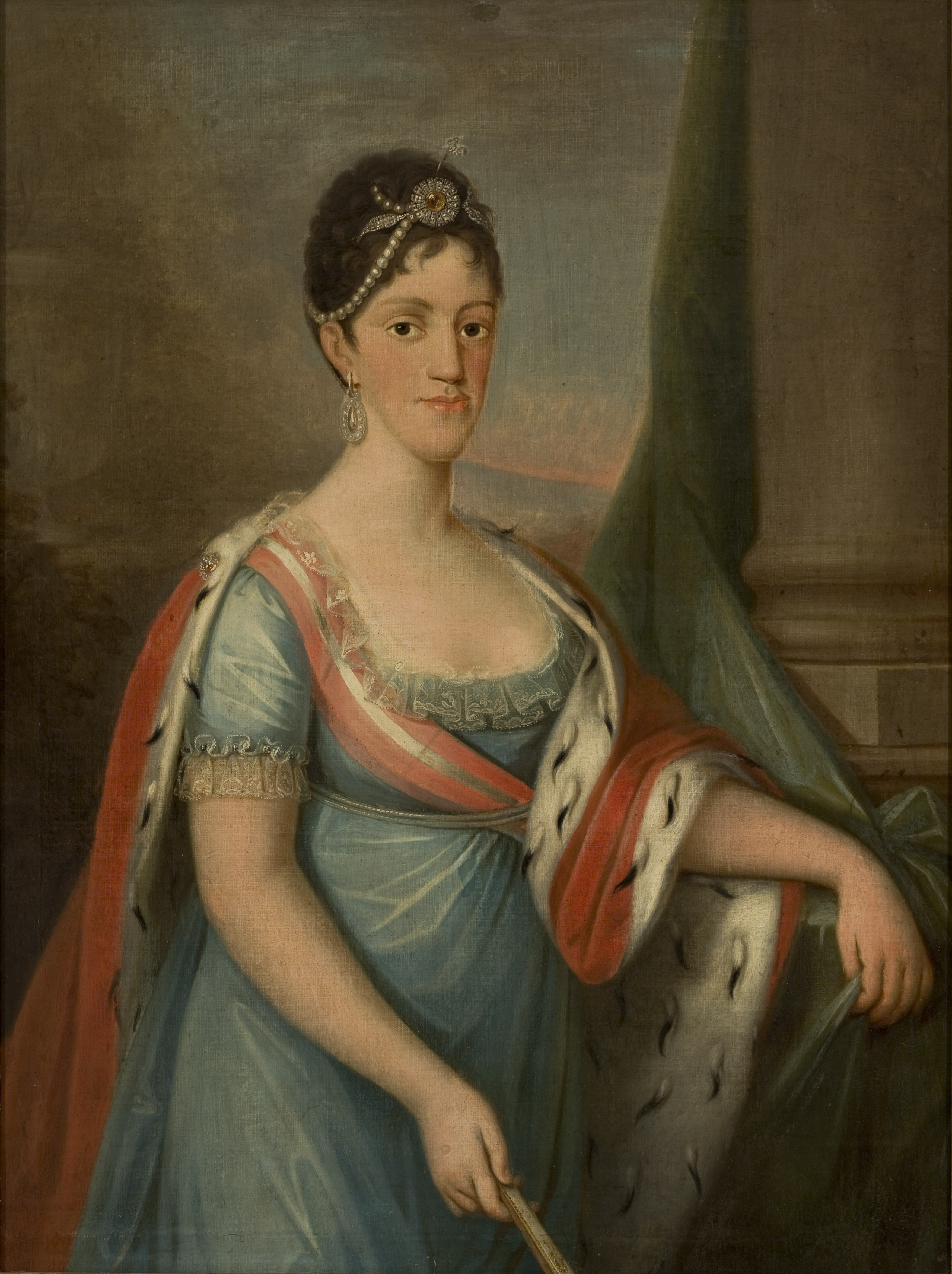
D. Carlota Joaquina was born on April 25, 1775, in Aranjuez, Spain, the eldest daughter of King Carlos IV of Spain and Maria Luisa of Parma. At the age of ten, she was betrothed to the Portuguese prince who would become King João VI — a diplomatic marriage designed to strengthen the Iberian alliance between the Spanish and Portuguese crowns.
She arrived in Portugal as a child, grew into one of the most controversial figures in Iberian royal history, and spent decades navigating the turbulent politics of a court that fled Napoleon’s armies to Brazil in 1807, establishing the Portuguese royal family in Rio de Janeiro for over a decade.
Carlota Joaquina was fierce, politically ambitious, and frequently at open odds with her own husband. She has been described by historians as the most powerful and most difficult woman at the Luso-Brazilian court. She is buried in the Pantheon of the House of Braganza at the Monastery of São Vicente de Fora in Lisbon.
But her historical legacy begins, in a sense, before she was even born — with the extraordinary name given to her at baptism.

Give the Gift of Choice
Don't know what to buy? Get them a Giftcards.ca e-gift card. Over 125 top brands, delivered instantly by email!
Shop Gift Cards Now →Affiliate link · We may earn a small commission at no extra cost to you.
The Full Name
The exact count of individual names in this list varies slightly depending on how compound entries such as Francisca de Sales are treated — but by any measure, the total exceeds twenty names. Each one placed there deliberately.
Why So Many Names?
Royal baptismal names in 18th-century Iberia were not chosen casually. Each name served a specific function:
Honoring saints. The Catholic liturgical calendar assigned saints to every day of the year. A child born on or near a saint’s feast day would frequently receive that saint’s name — a form of divine protection, placing the child under the saint’s patronage from the first moment of life.
Honoring ancestors. Royal families used names to acknowledge grandparents, great-grandparents, and distinguished members of allied dynasties. A name was a form of diplomatic memory — a way of saying “we remember you, we claim you, we continue you.”
Honoring political alliances. When two royal houses were united through marriage, the children’s names often reflected both bloodlines simultaneously. Carlota Joaquina’s name contains Spanish, Portuguese, and broadly Catholic European elements — a compressed map of the alliances her birth was meant to cement.
The result was a name that functioned less as personal identity and more as a genealogical and theological document.
AliExpress 11.11 Mega Sale!
Inspired by royal names? Get ready for the biggest shopping event of the year.
Up to 90% OFF on baby items, personalized gifts, and more!
Use this exclusive promo code for extra savings:
(Get $5 off orders over $29)
Affiliate link · We may earn a small commission at no extra cost to you.
Personalized Floral Name Room Sign
Customizable pastel flower door plaque. Perfect nursery decor and a sweet hanging gift for your little one!

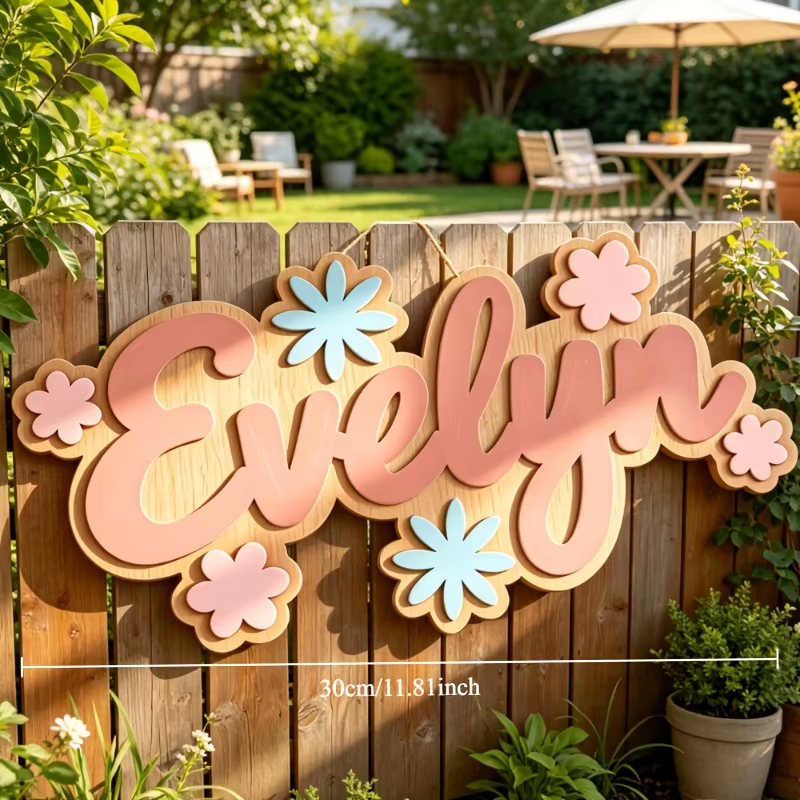
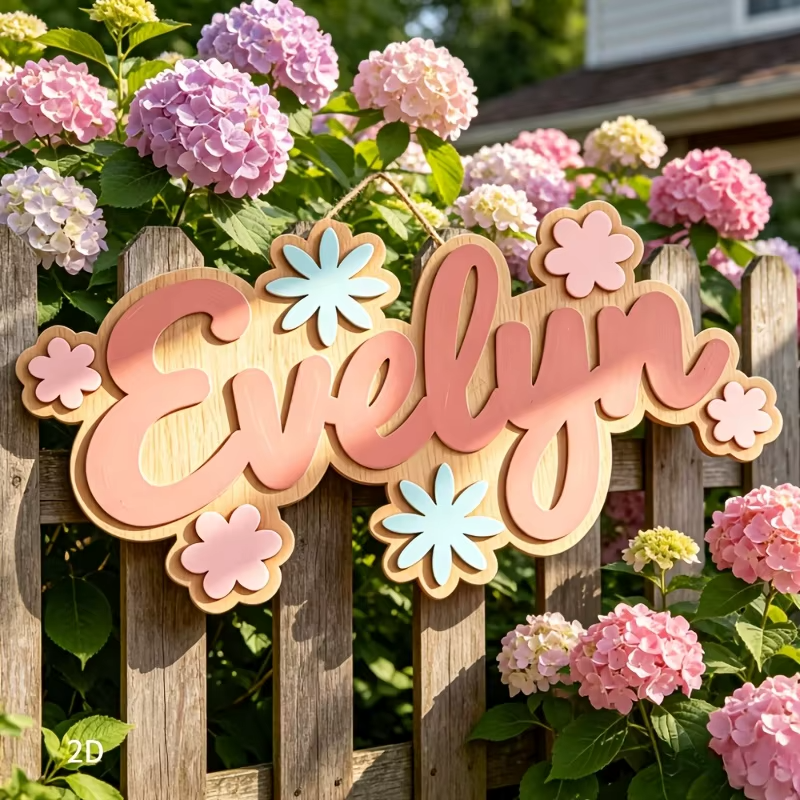
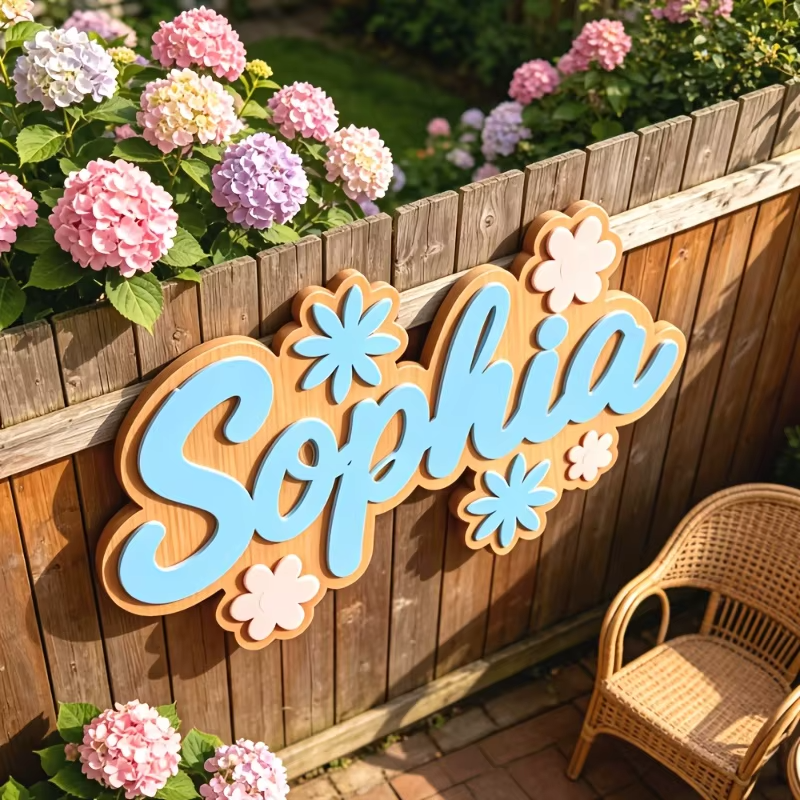


Affiliate link · We may earn a small commission at no extra cost to you.
Breaking Down the Name
Carlota Joaquina
Her two working names — the ones everyone actually used. Carlota is the Spanish and Portuguese feminine form of Carlos (Charles), ultimately from the Germanic Karl, meaning “free man” or “strong man.” Joaquina derives from the Hebrew Yehoyaqim — meaning approximately “God raises up” or “God establishes” — and was the name traditionally attributed to the Virgin Mary’s father in Catholic devotion.
Theresa
The precise etymology of Theresa remains debated among scholars — possible roots include the Greek island of Therasia or the Greek verb thērizō (to harvest), though neither has been definitively established. What is beyond dispute is the name’s cultural weight in Iberian Catholicism: Saint Teresa of Ávila, the great Spanish mystic and Doctor of the Church, made this name a staple of Spanish and Portuguese devotion from the 16th century onward.
Francisca de Sales
A compound reference to Saint Francis de Sales, the Savoyard bishop and Doctor of the Church renowned for his gentle approach to spiritual direction and his influential writings on devotion. His feast day is January 24, and his name was widely used in Catholic naming across France, Spain and Portugal.
Juana Nepomucena
Juana is the Spanish feminine form of John, from the Hebrew Yohanan — “God is gracious.” Nepomucena refers to Saint John of Nepomuk, the Bohemian priest and martyr venerated as patron saint of Bohemia and, in particular, of the seal of confession. His cult spread widely across Catholic Europe from the 17th century onward.
Maria
The most universal name in Catholic tradition — from the Hebrew Miryam, whose exact etymology remains genuinely uncertain among scholars, with proposed meanings including “beloved,” “bitter,” and “drop of the sea,” none fully settled. What is certain is the name’s absolute centrality to Catholic devotion. No royal Catholic name list of this era would be complete without it.
Rita
Associated primarily with Saint Rita of Cascia, the Italian Augustinian nun venerated as the patron saint of impossible causes, whose feast day falls on May 22. The name Rita is generally understood as a short form of Margarita, from the Latin and Greek for “pearl.”
Casilda
A name of uncertain but probable Arabic origin, associated with Saint Casilda of Toledo — traditionally described as a Moorish princess who converted to Christianity in medieval Spain. Her story reflects the complex and layered religious history of the Iberian Peninsula, where Christian, Muslim and Jewish traditions coexisted and collided across centuries.
What People Actually Called Her
Carlota Joaquina.
Just that. Two names from a list that stretches well beyond twenty.
This is perhaps the most human detail in the entire story. After the ceremony, the godparents, the priests, the diplomats and the court scribes had finished their work — after every saint had been acknowledged and every alliance honored — the child went home and was simply Carlota.
The contrast reveals something important about the function of royal naming. The full name was a public document. The working name was the person.
Trace Your Surname with DNA
In Chinese tradition, your surname is passed down through the paternal line — and so is your Y chromosome. FamilyTreeDNA is the only major company offering a dedicated Y-DNA test, helping you:
- 🔹 Trace your paternal ancestors and surname origins
- 🔹 Connect with genetic relatives who share your surname
- 🔹 Confirm if your surname comes from a single ancestor
- 🔹 Discover your Haplogroup — your ancient clan
Affiliate link · We may earn a small commission at no extra cost to you.
A Reflection on How Names Have Evolved
The era of twenty-name baptismal records has passed — but its legacy has not. The tradition of compound names in Portugal and Brazil, the practice of honoring grandparents through middle names, and the continued use of saints’ names as a form of cultural and spiritual continuity all trace directly back to the same impulse that produced Carlota Joaquina’s extraordinary name.
Today, a Brazilian child named Maria Fernanda or a Portuguese child named João Miguel is participating in a naming tradition whose roots reach back through centuries of Catholic devotion, royal diplomacy, and the human desire to connect a new life to everything that came before it.
The names got shorter. The intention never really changed.
Discover one of the longest royal names in Iberian history — Queen Carlota Joaquina’s 20+ baptismal names — and what each reveals about faith, power, and dynasty.